
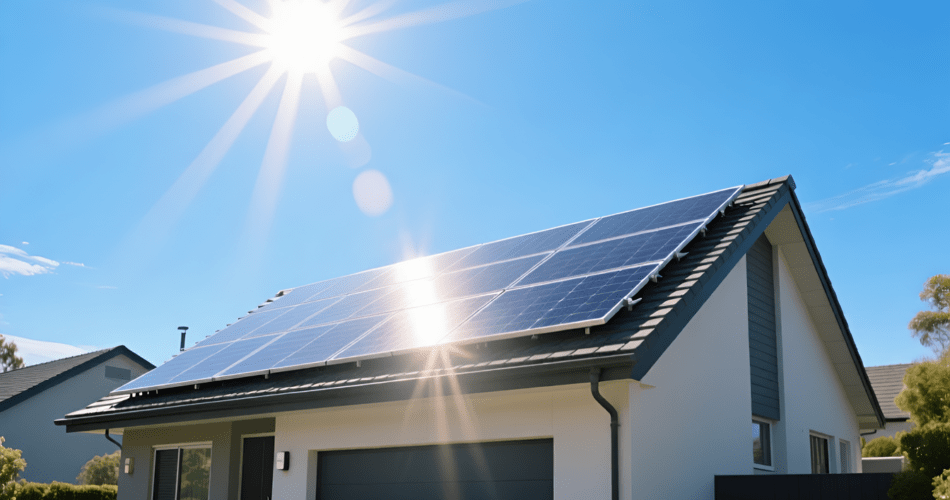
In this guide, you’ll learn exactly how solar panels for home reduce electricity costs, how net metering works in 2026, what home solar system cost looks like today, and how homeowners maximize long-term solar power savings.
As I look out my window on a crisp 2026 morning, a gentle hum comes from the sleek black panels mounted on my roof. These are more than decorative upgrades — they actively reduce my monthly expenses and provide long-term financial stability. What once felt like a big decision has become one of the smartest investments I’ve made.
⚡ The Evolving Landscape of Energy Costs in 2026
To understand why residential solar continues to grow, it helps to look at the changing energy market. Electricity prices have steadily increased in many regions due to aging grid infrastructure, rising fuel costs, and growing demand. For households relying entirely on the grid, these increases directly impact monthly bills.
Switching to renewable energy for homes gives homeowners greater control over energy expenses while improving energy independence.
📈 Rising Grid Electricity Prices
Traditional electricity generation depends heavily on fuel markets and infrastructure maintenance. These costs continue to rise, pushing utility rates higher each year. Many homeowners now see annual increases that compound over time, making predictable energy expenses difficult to maintain.
Installing solar panels helps stabilize long-term costs while increasing solar panel efficiency and overall energy reliability.
🌪️ Volatility in Energy Markets
Beyond price increases, energy markets remain unpredictable. Weather disruptions, fuel shortages, and policy changes can cause sudden price spikes. Homes powered partially or fully by solar energy are insulated from these fluctuations, providing consistency and budget protection.
💡 Direct Reduction of Monthly Utility Bills
The most noticeable benefit of solar panels for home is the immediate reduction in monthly electricity bills.
🔋 Generating Your Own Electricity
Solar panels convert sunlight into usable electricity through photovoltaic cells and inverters. Every kilowatt-hour generated reduces the amount of electricity purchased from the grid. During sunny hours, excess energy may flow back to the grid, creating additional savings.
This direct production creates meaningful solar energy benefits for homeowners seeking predictable utility costs.
🔄 Net Metering Explained
Many regions continue to support net metering explained programs that credit homeowners for surplus energy sent back to the grid. These credits offset future electricity usage, effectively using the grid as a storage system. This policy significantly improves solar power savings and shortens the return-on-investment timeline.
🏡 Long-Term Investment and Home Value Growth
Beyond monthly savings, solar systems increase property value. Buyers increasingly prefer energy-efficient homes with lower operating costs. A properly installed system enhances resale value and market appeal.
Solar panel installation also improves overall home sustainability while reducing dependence on fossil fuels.
🔒 Protection Against Future Energy Price Increases
Once installation costs are recovered, electricity generated by solar becomes nearly free. This protects homeowners from future utility price hikes and supports predictable household budgeting.
💰 Government Incentives and Financial Support in 2026
While incentives evolve over time, many homeowners continue to benefit from government programs that reduce upfront expenses.
Common incentive types include:
| Program Type | Typical Benefit |
|---|---|
| Solar tax credits | Percentage-based system cost reduction |
| Green energy rebates | Equipment or installation discounts |
| Local incentives | Utility-based credits or rebates |
| Financing programs | Low-interest payment options |
🏦 Financing Options and Low-Interest Loans
Modern financing options allow homeowners to install solar with minimal upfront cost. Solar loans, leasing programs, and energy financing plans make systems accessible to more families while spreading payments over manageable terms.
🌍 Environmental Impact and Economic Value
While the primary focus is savings, renewable systems reduce emissions and strengthen national energy security. Long-term environmental protection contributes indirectly to economic stability and community resilience.
✅ Conclusion
Solar continues to be one of the smartest financial investments for homeowners in 2026. From reduced utility bills and increased property value to energy independence and long-term stability, the benefits are clear. With continued innovation and accessible financing, solar remains an attractive solution for households looking to control costs and future-proof their energy needs.
❓ Frequently Asked Questions
1. How much can solar panels reduce monthly electricity bills?
Savings vary based on location, system size, and energy usage, but many homeowners see reductions of 40–80% over time.
2. What is the typical home solar system cost in 2026?
Costs depend on region, installation size, and available incentives. Financing options often reduce upfront expenses.
3. How long do solar panels last?
Most systems operate efficiently for 25–30 years with minimal maintenance.
4. Does net metering still exist in 2026?
Yes, many regions continue to offer net metering programs, though policies vary locally.
5. Are solar panels worth installing for small homes?
Yes. Even smaller systems can generate meaningful solar power savings when sized properly.
⚠️ Disclaimer
Energy prices, incentives, tax credits, and regulations vary by location and may change. Always consult local professionals or official government sources for the most accurate information.

